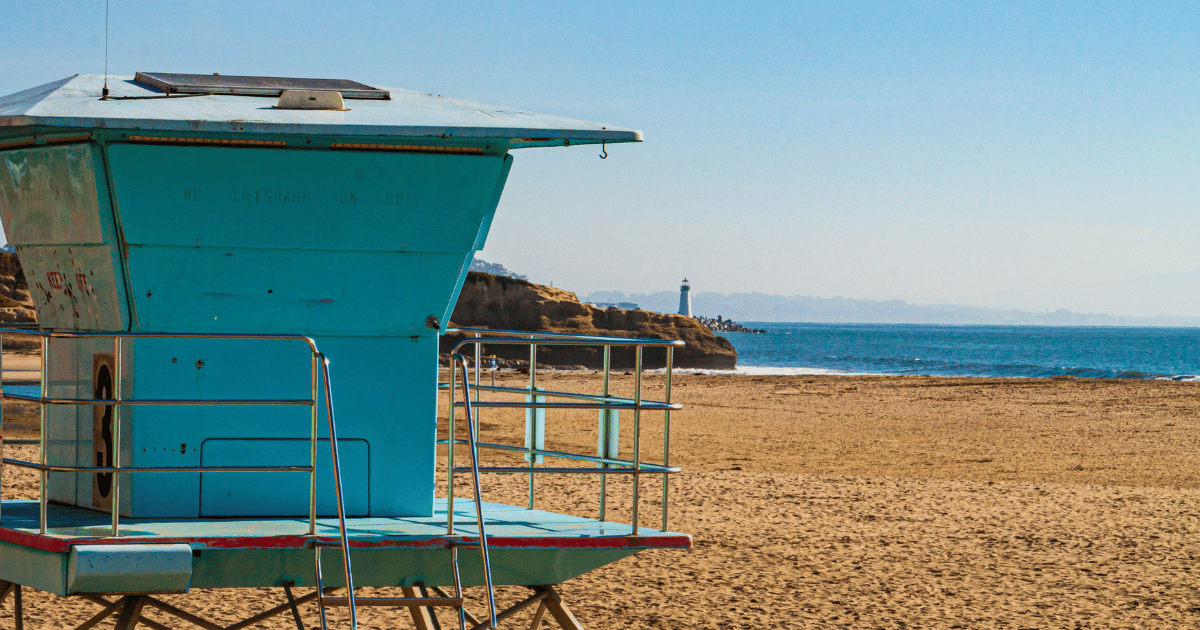
Santa Monica has long been one of California’s most recognizable beach communities. Beautiful weather, a world-famous pier, and the Third Street Promenade once made it a destination for families and tourists from around the globe. But as a recent Wall Street Journal article illustrates, that reputation didn’t disappear overnight, and neither did the reasons behind its decline.
For years, the city embraced policies that many critics say tolerated visible homelessness, open-air drug use, and public disorder. Business owners interviewed by the Journal described customers avoiding the area because they no longer felt safe. Empty storefronts multiplied, retailers left, and tourism suffered. When families see headlines about crime, drug use, and deteriorating conditions, they have plenty of other coastal destinations to choose from.
Santa Monica’s struggles are not solely the result of these issues. The pandemic, costly legal settlements, declining international tourism, and wildfires also strained the city’s finances. But those challenges were compounded by quality-of-life problems that city leaders were slow to confront. As one business owner noted, cleaning up public drug use is a necessary step toward bringing shoppers and visitors back.
The encouraging news is that Santa Monica appears to be changing course. The city has increased police patrols, relocated its downtown homeless shelter away from the Promenade, reduced property crime, and begun making it easier for businesses to invest downtown. Those are signs that officials recognize public safety and economic vitality go hand in hand.
The lesson extends beyond Santa Monica. Compassion for people experiencing homelessness or mental illness is important, but compassion should also include protecting residents, businesses, and visitors. Cities that allow disorder to become the norm risk driving away the very people who support their local economy. If people don’t feel safe, they won’t come. If they have better options, they’ll simply go somewhere else.