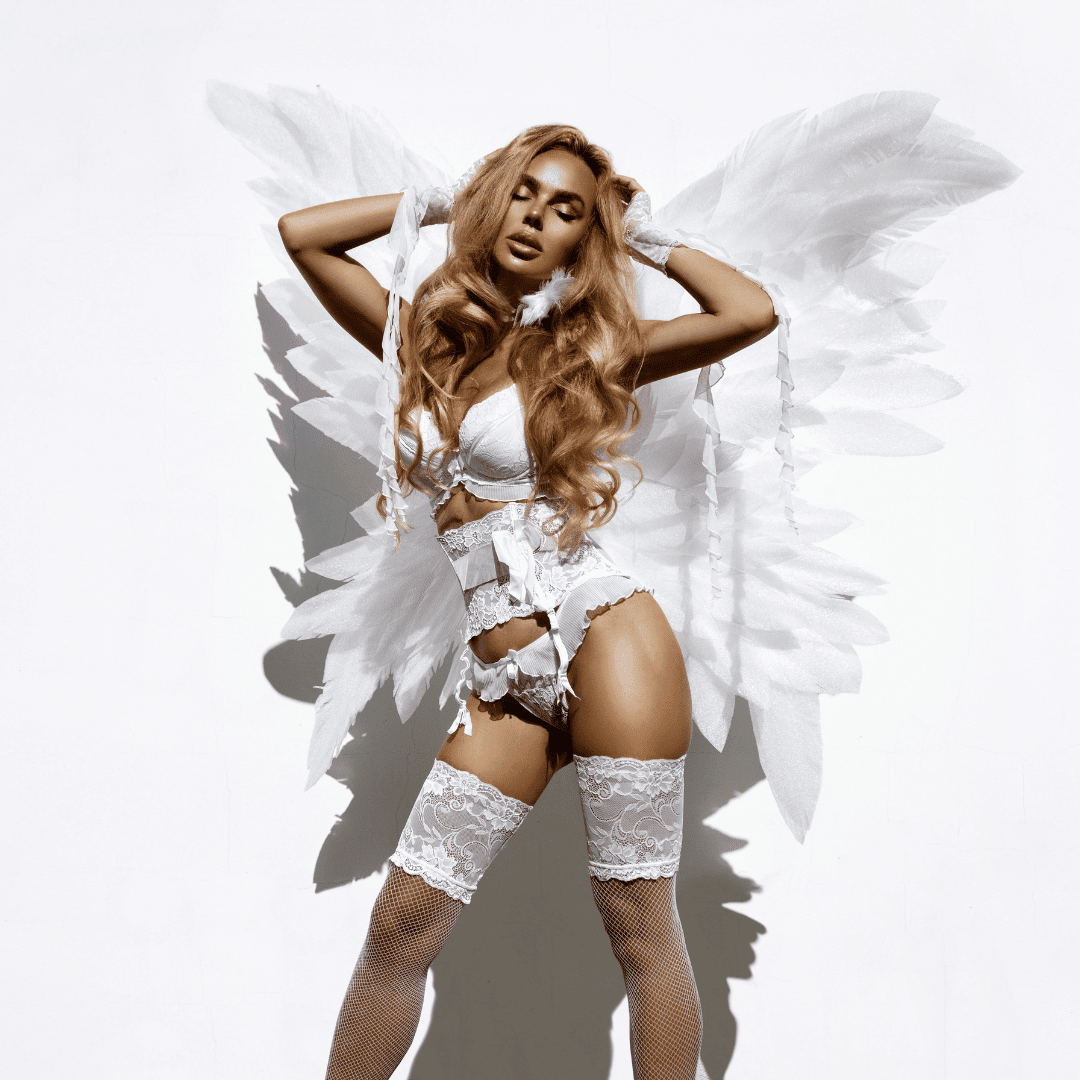
After a five-year absence, the Victoria’s Secret Fashion Show returned on October 15, 2024, promising to revive the glamour, beauty, and excitement that once made it a cultural phenomenon. However, the brand’s decision to feature two transgender models has reignited debate over whether its commitment to inclusivity is coming at the expense of its traditional identity.
Since its debut in 1995, the Victoria’s Secret Fashion Show has celebrated feminine beauty, featuring iconic supermodels known as “Angels.” For decades, the event attracted millions of viewers and helped establish the company as a leading lingerie brand.
However, declining sales, changing cultural attitudes, and criticism over unrealistic beauty standards led to the show’s cancellation in 2019. In the years that followed, Victoria’s Secret attempted to reinvent itself, replacing its famous Angels with ambassadors chosen to reflect a broader range of identities and social causes.
This year’s comeback featured legendary models including Tyra Banks, Adriana Lima, Kate Moss, and Alessandra Ambrosio. Yet much of the controversy centered on transgender models Alex Consani and Valentina Sampaio.
While Sampaio celebrated her participation as a victory for transgender representation, critics questioned whether the brand’s new direction reflects what its longtime customers actually want.
For many traditional consumers, Victoria’s Secret represented a particular vision of femininity, glamour, and aspiration. Critics argue that the company’s efforts to embrace progressive cultural trends risk alienating the very audience that helped build its success.
Social media reactions highlighted this divide, with some viewers expressing frustration over what they see as another major corporation prioritizing political and social messaging over its original purpose.
The larger question is whether Victoria’s Secret can modernize without abandoning the identity that once made it successful.
Inclusivity may appeal to new audiences, but businesses must also consider the expectations and preferences of their established customers.
Ultimately, the success of Victoria’s Secret will depend less on making cultural statements and more on understanding what women want from a lingerie brand. Whether its latest transformation achieves that goal remains an open question.