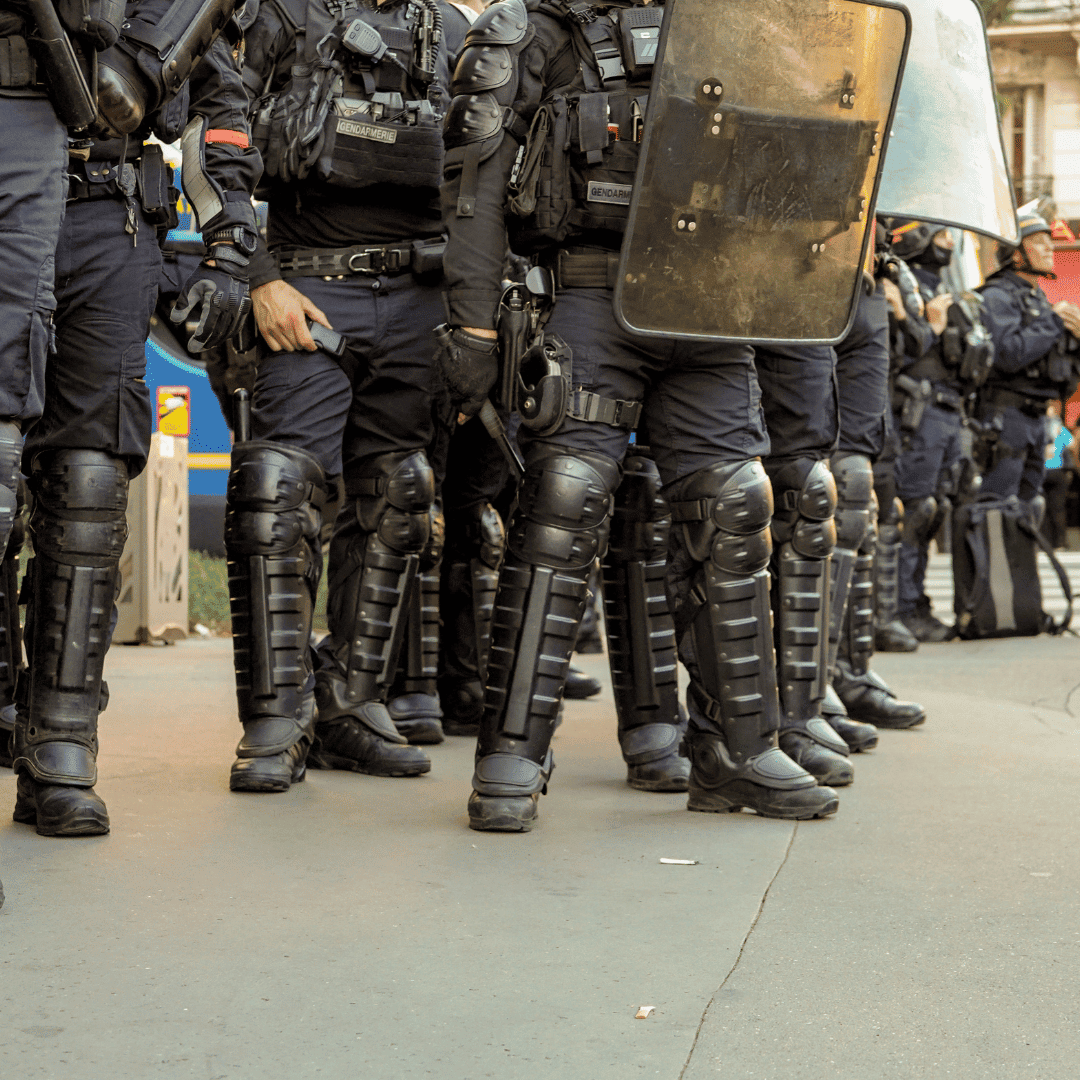
France is experiencing widespread civil unrest as citizens protest rising living costs, mounting government debt, and deteriorating public schools. But according to a recent Fortune article by Nick Lichtenberg, the underlying problems fueling France’s turmoil are strikingly similar to those facing the United States. The key difference? America’s stronger economy has so far helped contain public frustration.
France’s protests began with students demanding better school conditions, more teachers, and increased education funding. Demonstrations quickly expanded into nationwide protests over inflation and economic hardship, resulting in violent clashes, thousands of arrests, and significant property damage.
Two Countries, Similar Economic Problems
Both nations face enormous fiscal challenges. France’s public debt has reached 119% of GDP, while U.S. publicly held debt exceeds 100%. America’s annual budget deficit is approximately $2 trillion, representing 6.2% of GDP, compared with France’s 5.4%.
Inflation is another shared concern. U.S. consumer prices are rising at 3.7% annually, slightly faster than France’s 3.4%. However, America’s stronger economic growth and lower unemployment provide some protection against widespread dissatisfaction.
Education Systems Under Pressure
Public education is another troubling parallel. French schools face teacher shortages, overcrowded classrooms, and aging facilities. American schools struggle with similar problems, including staffing shortages, deteriorating buildings, and disruptions to classroom instruction.
These challenges raise questions about government spending priorities and the long-term consequences of underinvestment in essential public services.
Can Economic Growth Keep America Stable?
One significant advantage for the United States is its technology-driven economy. Artificial intelligence investment accounts for roughly one-third of American GDP growth, according to the article. Yet public anxiety about AI-related job losses continues to grow.
Meanwhile, rising government borrowing costs and persistent deficits threaten fiscal stability in both countries. Economists warn that addressing these problems becomes increasingly difficult as debt accumulates and political resistance to spending cuts intensifies.
The Bigger Picture
France’s unrest offers a cautionary lesson for American policymakers. Economic growth can temporarily cushion the effects of inflation, government debt, and declining public services, but it cannot eliminate these structural problems.
The central warning is clear: America may be more economically resilient than France today, but without meaningful fiscal reforms and investment in public institutions, it could eventually face similar social and political pressures.